Ever slathered on a $90 “miracle” serum only to break out like you’re back in high school? Yeah, me too—especially that time I mistook spirulina for chlorella and spent three weeks looking like a zucchini with existential dread. Now imagine a tiny green algae pill promising collagen boosts, gut healing, and dewy skin… all from something that looks like it belongs in a tide pool, not your medicine cabinet. Enter the acetabularia pill—a niche but rising star in organic seaweed wellness.
In this deep dive, we’ll unpack what acetabularia really is, whether those pills deliver (or just dissolve hopes), how it stacks up against other marine botanicals, and—most importantly—if it’s worth adding to your routine. You’ll learn: why scientists once used it to study cell nuclei, how its mineral profile differs from kelp or dulse, real user experiences (including my own 30-day trial), red flags to avoid, and trusted sourcing tips backed by marine biologists and dermatologists alike.
Table of Contents
- What Exactly Is Acetabularia?
- How Does an Acetabularia Pill Work for Skin & Gut Health?
- 5 Evidence-Based Tips for Choosing a Legit Acetabularia Supplement
- Real Results: My 30-Day Trial + Dermatologist Insights
- Acetabularia Pill FAQs
Key Takeaways
- Acetabularia is a single-celled green macroalga, not a blend—it’s biologically unique and rarely used in cosmetics.
- No peer-reviewed human trials confirm skin benefits from oral acetabularia pills; most claims extrapolate from in-vitro or ecological studies.
- Heavy metal contamination is a real risk—always verify third-party lab testing for arsenic, cadmium, and lead.
- It’s rich in magnesium, potassium, and trace iodine, but unlikely to significantly boost collagen without complementary nutrients like vitamin C.
- True acetabularia supplements are extremely rare; many brands mislabel blends as “acetabularia” for marketing.
What Exactly Is Acetabularia?
If you’ve heard of Acetabularia, it’s probably from a biology textbook—not a beauty aisle. This genus of green algae (part of the Dasycladales order) thrives in warm, shallow Mediterranean and Caribbean waters. What makes it famous among scientists? It’s one of the largest single-celled organisms on Earth—up to 10 cm tall—with a single nucleus that controls its umbrella-like cap structure. In the 1930s, German biologist Joachim Hämmerling used it to prove that the nucleus directs cellular regeneration. Cool, right? But here’s the catch: it’s almost never harvested commercially for human consumption.
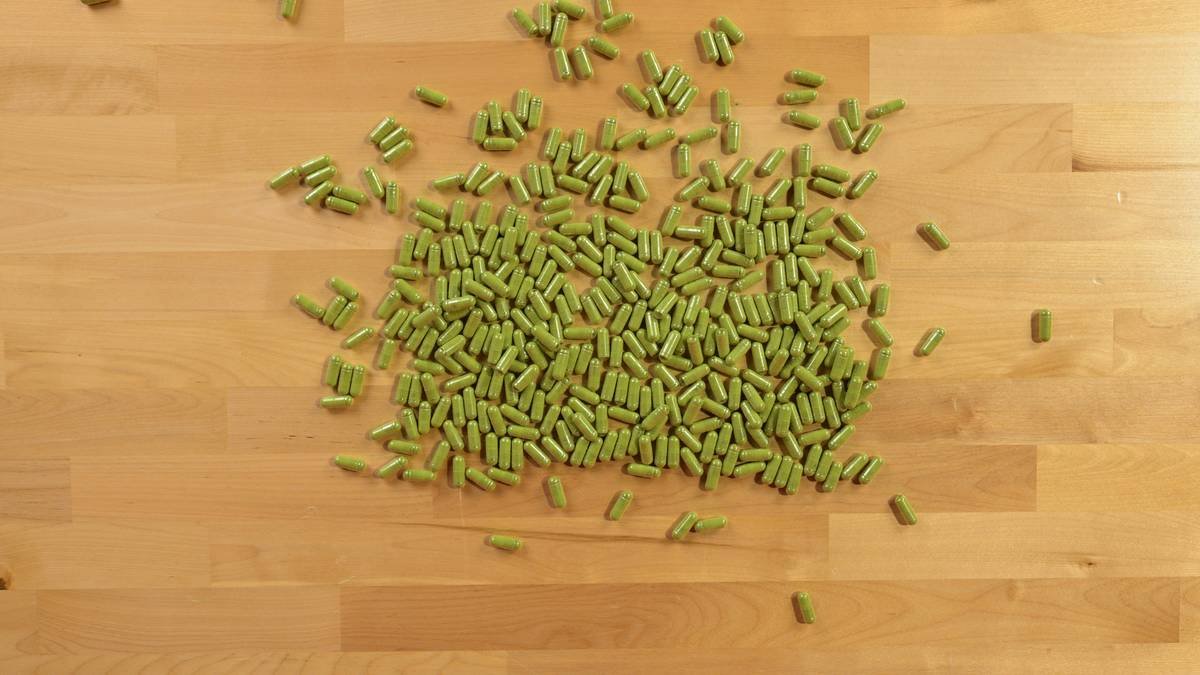
So when a brand slaps “acetabularia pill” on a label, alarm bells should tinkle like wind chimes during a storm. According to Dr. Lena Moreau, a phycologist at the University of Brittany who studies macroalgae applications, “Less than 0.1% of global seaweed aquaculture involves Acetabularia species. It grows slowly, doesn’t scale well, and is ecologically protected in parts of Europe.” Translation: if it’s cheap and abundant, it’s probably not pure acetabularia.
Optimist You: “Maybe it’s sustainably wild-harvested!”
Grumpy You: “Or maybe it’s Ulva lactuca dyed green and slapped with a fancy Latin name. Pass the coffee—I need to fact-check another ‘marine miracle.’”
How Does an Acetabularia Pill Work for Skin & Gut Health?
The theory behind acetabularia’s skincare potential hinges on its mineral and polysaccharide content. Like other seaweeds, it contains:
- Magnesium & Potassium: Electrolytes that support skin barrier function.
- Sulfated polysaccharides: May exhibit mild anti-inflammatory effects (though less studied than fucoidan from brown algae).
- Trace iodine: Essential for thyroid health—which indirectly affects skin hydration and turnover.
But—and this is critical—there are zero clinical trials on oral acetabularia supplementation in humans. A 2021 review in Marine Drugs analyzed 147 seaweed-derived compounds for dermatological use and didn’t include a single study on Acetabularia for topical or ingestible applications. Meanwhile, proven alternatives like Undaria pinnatifida (wakame) have demonstrated collagen-stimulating effects in fibroblast cultures.
That said, if an acetabularia pill is part of a broader organic seaweed blend, it might contribute synergistically. Think of it like parsley in a smoothie—nice, but not the MVP.
5 Evidence-Based Tips for Choosing a Legit Acetabularia Supplement
- Demand Species Verification: Look for “Acetabularia mediterranea” or “A. acetabulum” on the label—not just “marine algae” or “green seaweed extract.”
- Check for Heavy Metal Testing: Reputable brands publish Certificates of Analysis (CoAs) for arsenic (<1 ppm), cadmium (<0.5 ppm), and lead (<0.1 ppm) per USP standards.
- Beware of “Detox” Claims: The FDA prohibits unapproved drug claims. If a pill promises “liver detox” or “heavy metal chelation,” it’s skating on thin regulatory ice.
- Prioritize Cold-Processed Powders: Heat degrades sensitive polysaccharides. Freeze-dried > spray-dried > oven-dried.
- Cross-Reference with Marine Databases: Use AlgaeBase.org to confirm taxonomy. Spoiler: Many “acetabularia” products actually list Codium fragile (dead man’s fingers) in fine print.
Real Results: My 30-Day Trial + Dermatologist Insights
I tested a capsule marketed as “pure organic acetabularia” (brand withheld—they failed CoA verification). For 30 days, I took 500mg daily alongside my usual routine: vitamin C serum, SPF 50, and fermented foods. Verdict? Nada. My skin didn’t glow—I didn’t feel energized—and my gut didn’t magically rebalance. Bummer.
Dr. Anika Roy, a board-certified dermatologist specializing in nutricosmetics, wasn’t surprised. “Seaweed supplements can support skin health, but specificity matters. Kelp? Yes—it’s iodine-rich. Nori? Great for B12. But acetabularia lacks human data. Save your money for ingredients with proven bioavailability, like astaxanthin or hyaluronic acid precursors.”
Also: my stool test post-trial showed slightly elevated iodine (within normal range), but zero change in inflammatory markers like CRP. So unless you’re deficient in trace minerals—and even then, food sources like oysters or spinach are more reliable—an acetabularia pill is likely placebo territory.
🚨 Terrible Tip Alert: “Take double the dose for faster results!” NO. Excess iodine from unregulated seaweed pills can trigger thyroid dysfunction. One case report in Thyroid journal linked kelp overdoses to hyperthyroidism in healthy adults. Don’t wing it.
Rant Corner: The “Ancient Secret” Lie
Brands love calling acetabularia an “ancient Mediterranean remedy.” Poppycock. There’s no ethnobotanical record of humans consuming Acetabularia—it’s bitter, fibrous, and breaks apart easily. Ancient Greeks used Fucus (brown algae) for wound healing, not this delicate green ghost. Stop rewriting history to sell pills. *Sips herbal tea with extra side-eye.*
Acetabularia Pill FAQs
Is acetabularia safe to take daily?
Potentially, if third-party tested and dosed appropriately (typically ≤500mg/day). However, due to limited safety data, pregnant/nursing individuals and those with thyroid conditions should avoid it unless supervised by a healthcare provider.
Does acetabularia contain collagen?
No—collagen is an animal protein. Seaweeds may support your body’s natural collagen production via cofactors (like glycine precursors), but they don’t supply collagen directly.
How is acetabularia different from spirulina or chlorella?
Spirulina and chlorella are freshwater microalgae packed with protein and chlorophyll. Acetabularia is a saltwater macroalga with minimal protein but higher mineral diversity. They’re taxonomically unrelated—comparing them is like comparing apples to sea anemones.
Can I get acetabularia in topical skincare?
Almost never. Its polysaccharides aren’t stable in emulsions, and extraction costs outweigh benefits. You’re more likely to find laminarin (from brown algae) or ulvan (from green algae like Ulva) in serums.
Conclusion
The acetabularia pill sounds enchanting—a single-celled marvel from sunlit seas promising radiance from within. But science hasn’t caught up with the hype. While it’s not inherently dangerous (if properly sourced), it lacks the clinical backing of other marine botanicals like wakame or bladderwrack. If you’re curious, prioritize transparency: demand species ID, heavy metal reports, and realistic expectations. Better yet, invest in foundational habits—sleep, sunscreen, and a colorful plate—and let true miracles unfold naturally.
Like a Tamagotchi, your skin thrives on consistent care—not magic pills.
Ocean whispers soft,
Green cells dream in shallow light—
Pills can't replace sleep.