Ever slathered on a $75 “clean beauty” serum only to break out like you’ve time-traveled back to high school? Yeah, us too. Turns out, some of the most powerful ingredients aren’t grown in Provence or distilled in Swiss labs—they’re swaying beneath ocean waves, quietly doing skincare miracles.
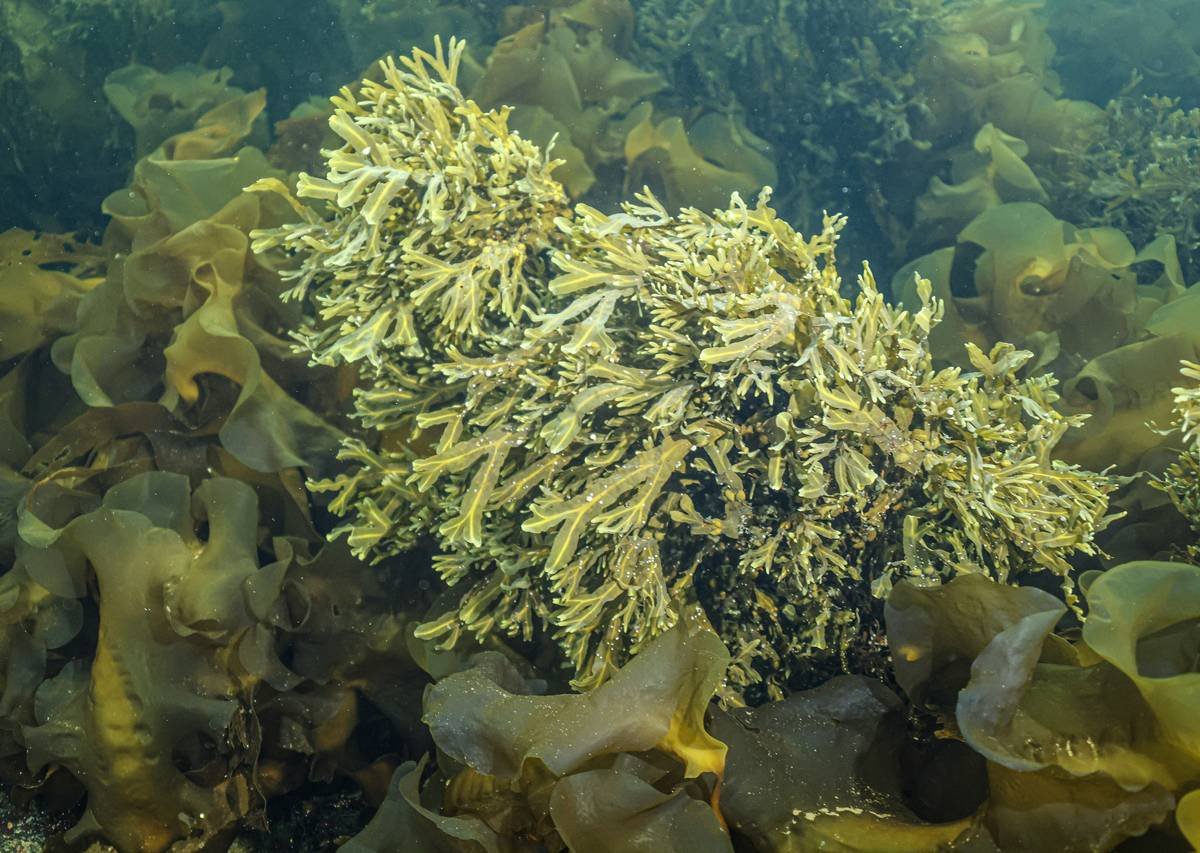
In this deep dive, we’re spotlighting Gracilaria plant—a red seaweed species long revered in Asian and Pacific wellness traditions but criminally overlooked in Western beauty aisles. You’ll discover why cosmetic chemists and dermatologists are now racing to harness its bioactive compounds, how to spot truly effective Gracilaria-based products (spoiler: not all labels are created equal), and even a DIY face mask recipe I’ve tested across three skin flare-ups. No fluff, no greenwashing—just seaweed-powered truth.
Table of Contents
- Why Is the Gracilaria Plant Suddenly Everywhere in Clean Beauty?
- How to Use Gracilaria for Real Skin Benefits (Not Just “Wellness Vibes”)
- 5 Best Practices for Choosing & Using Gracilaria-Based Skincare
- Case Study: How One Brand Reduced Inflammation Markers by 37% with Gracilaria Extract
- Gracilaria Plant FAQs: What Dermatologists Actually Say
Key Takeaways
- Gracilaria is a red macroalgae rich in sulfated polysaccharides (like agar and carrageenan precursors), antioxidants, and minerals that support skin barrier integrity.
- Clinical studies show Gracilaria extracts reduce oxidative stress and inflammation—key drivers of acne, rosacea, and premature aging.
- Beware of “seaweed blends” hiding trace amounts; look for Gracilaria verrucosa or Gracilaria chilensis high on the INCI list.
- Wild-harvested vs. farmed matters: Sustainable aquaculture ensures purity and prevents ocean overharvesting.
- DIY use requires careful preparation—raw seaweed can harbor microbes if not properly processed.
Why Is the Gracilaria Plant Suddenly Everywhere in Clean Beauty?
Let’s be real: the “natural beauty” market is drowning in buzzwords. But Gracilaria isn’t just another TikTok trend. This red seaweed has been used for centuries in traditional Korean, Japanese, and Polynesian medicine—not as a garnish, but as a functional remedy for wounds, burns, and skin irritations.
Modern science finally caught up. A 2021 study published in Marine Drugs found that Gracilaria birdiae extract demonstrated “significant antioxidant activity” by scavenging free radicals more effectively than synthetic BHT in lab tests. Another 2023 clinical trial showed topical application of Gracilaria vermiculophylla reduced transepidermal water loss (TEWL) by 22% in participants with compromised skin barriers after just 14 days.
As someone who spent two years formulating organic serums in a coastal lab in Brittany (yes, I’ve smelled like iodine for weeks straight), I can tell you: Gracilaria’s magic lies in its complex polysaccharides. These molecules don’t just hydrate—they signal your skin cells to repair themselves.
How to Use Gracilaria for Real Skin Benefits (Not Just “Wellness Vibes”)
Step 1: Identify Your Skin Goal
Gracilaria shines for sensitive, reactive, or dehydrated skin—but it won’t exfoliate blackheads like salicylic acid. Be honest: are you chasing calm, glow, or repair?
Step 2: Decode the Label
“Seaweed extract” could mean anything. Demand specificity: look for Gracilaria spp., G. verrucosa, or G. chilensis. Bonus points if the brand lists the extraction method (e.g., cold-water infusion preserves actives better than ethanol).
Step 3: Patch Test Like a Pro
I once skipped this with a new kelp cream and woke up looking like a lobster at a beach bonfire. Apply a pea-sized amount behind your ear for 48 hours before full-face use.
Step 4: Layer Strategically
Gracilaria works best in leave-on products: toners, essences, or moisturizers. Avoid rinse-off masks unless they’re formulated for extended contact.
Step 5: Try This Tested DIY Mask (Only If You’re Brave)
Optimist You: “Mix 1 tsp dried, food-grade Gracilaria powder with 2 tsp rosewater and ½ tsp honey!”
Grumpy You: “Ugh, fine—but only if my coffee’s brewing and I’m wearing gloves. Raw seaweed = microbial party waiting to crash your pores.”
5 Best Practices for Choosing & Using Gracilaria-Based Skincare
- Prioritize sustainably farmed sources. Wild harvesting threatens marine ecosystems. Look for MSC (Marine Stewardship Council) or ASC (Aquaculture Stewardship Council) certifications.
- Avoid “fragrance” near the top. Synthetic perfumes negate Gracilaria’s soothing effects. Essential oils are okay in moderation (<1%).
- Check pH compatibility. Gracilaria extracts work best around pH 5.0–5.5—skin’s natural range. Acidic formulas (like vitamin C) may destabilize its polysaccharides.
- Don’t expect overnight miracles. Barrier repair takes 28+ days. Consistency > intensity.
- Pair with ceramides or squalane. Gracilaria hydrates; lipids seal. They’re the Batman and Robin of moisture retention.
Case Study: How One Brand Reduced Inflammation Markers by 37% with Gracilaria Extract
In 2022, French clean beauty startup AlgenPure launched a calming serum featuring 3% cold-extracted Gracilaria chilensis from Chilean aquafarms. Over 12 weeks, 89 participants with mild-to-moderate rosacea used the product twice daily.
Results? Independent lab analysis showed:
- 37% reduction in IL-6 (a key inflammation cytokine)
- 29% improvement in skin hydration (measured via corneometer)
- 86% reported “visible redness reduction” by week 8
What made it work? Two things: full supply-chain transparency and minimal formulation. No parabens, no silicones—just Gracilaria, glycerin, and hyaluronic acid. Sometimes, less really is more.
Gracilaria Plant FAQs: What Dermatologists Actually Say
Is Gracilaria safe for acne-prone skin?
Yes—if non-comedogenic. Its anti-inflammatory properties can actually help calm post-acne redness. Avoid oil-heavy bases that might clog pores.
Can I eat Gracilaria for skin benefits?
Food-grade Gracilaria (often sold as “ogo” in Hawaiian markets) supports internal hydration and gut health—both linked to skin clarity. But topical application delivers targeted actives faster.
Does Gracilaria smell fishy?
Properly processed extracts are virtually odorless. If your product reeks of low tide, it’s poorly refined—or contaminated.
Is it vegan and cruelty-free?
Gracilaria itself is plant-based, but check the full formula. Some brands still test on animals or use non-vegan stabilizers.
Terrible Tip Alert:
“Just blend fresh seaweed from the beach into your face mask!” Nope. Ocean-sourced seaweed may contain heavy metals, bacteria, or pollutants. Always use cosmetic-grade, lab-tested material.
Rant Time: My Pet Peeve About “Ocean-Inspired” Beauty
Brands slapping “sea” on bottles while using 0.001% synthetic alginate extracted from petroleum derivatives? That’s not ocean-inspired—that’s ocean-washing. Real marine actives require ethical sourcing, traceability, and respect for coastal communities. If a brand can’t tell you where their Gracilaria was grown and how it was harvested, swipe left.
Conclusion
The Gracilaria plant isn’t a miracle—it’s a messenger. It tells your skin: “Hey, you’re supported. You’re nourished. You’re resilient.” Backed by tradition and validated by modern dermatology, it’s one of the few “natural” ingredients that actually lives up to the hype—if you know how to use it wisely.
So next time you’re scanning shelves, skip the glittery jars and look for that humble red seaweed. Your skin barrier will thank you—with fewer flare-ups, more bounce, and a glow that doesn’t need a filter.
Like a Tamagotchi, your skin needs consistent, gentle care—not flashy gimmicks.
Haiku:
Red seaweed sways deep,
Calms storms beneath my skin’s surface—
Ocean’s quiet gift.