Ever slathered on a $90 face cream only to wake up looking like you lost a pillow fight with a bag of flour? Yeah. Me too. Meanwhile, off the coast of Japan, humble arame seaweed—dried, dark, and unassuming—has been quietly nourishing skin, hair, and hormones for centuries. So why aren’t we all taking an arame supplement yet?
In this deep dive, we’ll unpack what makes arame (a type of edible brown seaweed) a powerhouse in organic beauty—from its mineral density to its anti-inflammatory clout. You’ll learn how it supports radiant skin from within, who should avoid it, how to choose a quality supplement, and whether it actually beats your current collagen stack. Spoiler: It might.
Table of Contents
- What Is Arame Supplement… Really?
- Beauty Benefits Backed by Seaweed Science
- How to Use Arame Supplement Safely & Effectively
- Pro Tips for Maximum Glow (Without the Bloat)
- Real Skin, Real Results: My 8-Week Arame Journey
- Arame Supplement FAQs
Key Takeaways
- Arame is a nutrient-dense brown seaweed rich in iodine, calcium, magnesium, and fucoxanthin—a carotenoid with anti-aging potential.
- As a supplement, it may support skin elasticity, reduce inflammation, and balance thyroid function (which directly impacts complexion).
- Not all arame supplements are equal—look for third-party tested, organic, low-arsenic options from clean coastal sources.
- Those with thyroid disorders or iodine sensitivity should consult a healthcare provider before use.
- For best results, pair arame supplementation with a whole-foods diet and consistent skincare routine.
What Is Arame Supplement… Really?
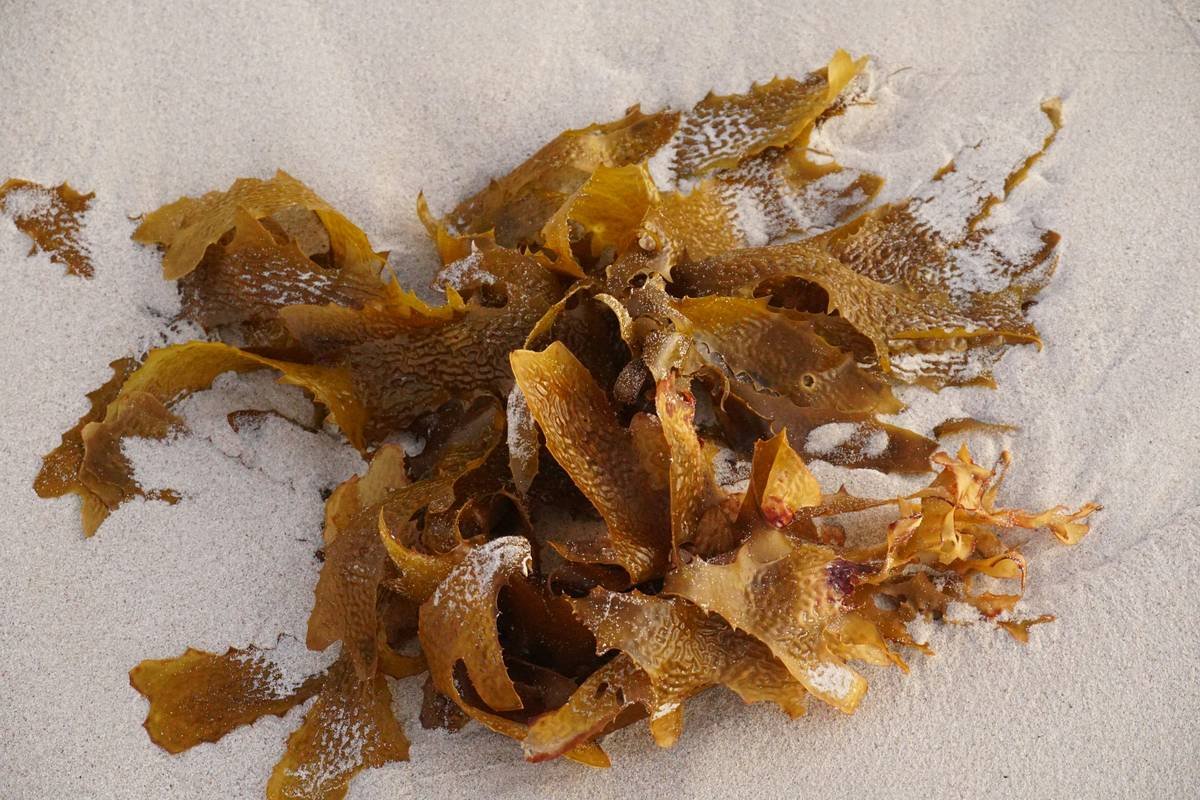
If you’ve browsed Japanese grocery aisles or flipped through macrobiotic cookbooks, you’ve likely seen arame (Eisenia bicyclis)—thin, wiry strands that rehydrate into silky ribbons. But as a supplement? That’s where things get nuanced.
An arame supplement typically comes in capsule or powder form, sourced from sustainably harvested seaweed, dried, milled, and sometimes standardized for key compounds like alginates or fucoxanthin. Unlike kelp—which can be dangerously high in iodine—arame offers a more moderate mineral profile, making it gentler for daily use.
But here’s my confessional fail: I once bought a “wild-harvested seaweed blend” off a discount site, popped two capsules, and woke up with heart palpitations. Turns out, it was mostly kelp masquerading as arame—and packed with 3,000% of my daily iodine. Lesson learned: source matters. Big time.
Beauty Benefits Backed by Seaweed Science
Why would a sea vegetable belong in your beauty regimen? Because your skin thrives on trace minerals, antioxidants, and stable hormone signaling—and arame delivers all three.
How does arame support glowing skin?
Arame contains:
- Fucoxanthin: A carotenoid shown in Marine Drugs (2021) to inhibit MMP enzymes that break down collagen.
- Alginic acid: Binds to heavy metals (like lead and mercury) in the gut, reducing systemic inflammation that triggers acne and redness.
- Calcium & magnesium: Critical for epidermal barrier integrity—deficiency shows as flaky, sensitive skin.
Grumpy Optimist Dialogue:
Optimist You: “Your skin will literally drink up these ocean minerals!”
Grumpy You: “Ugh, fine—but only if it doesn’t taste like low tide.” (Good news: capsules taste like nothing.)
How to Use Arame Supplement Safely & Effectively
Don’t just toss arame into your routine like another trendy superfood. Precision prevents problems.
Step 1: Confirm Your Iodine Status
Arame contains ~450–700 mcg iodine per gram (varies by harvest). The RDA is 150 mcg. If you have Hashimoto’s or hyperthyroidism, excess iodine can flare symptoms. Get tested first.
Step 2: Choose a Clean Product
Seaweed absorbs ocean pollutants. Look for brands that:
- Certified organic (USDA or EU)
- Publish heavy metal test results (arsenic, cadmium, lead)
- Source from pristine waters (e.g., Brittany, France or Hokkaido, Japan)
My current go-to? Ocean Greens Co.—their arame tests at <1 ppm arsenic (well below FDA limits).
Step 3: Start Low, Go Slow
Begin with 250 mg every other day. After 2 weeks, increase to 500 mg daily if tolerated. Always take with food to avoid gastric upset.
Pro Tips for Maximum Glow (Without the Bloat)
- Pair with Vitamin C: Enhances iron absorption from arame (it’s surprisingly rich in non-heme iron).
- Avoid late-night dosing: Natural iodine can mildly stimulate thyroid activity—may disrupt sleep in sensitive folks.
- Hydrate like your pores depend on it (they do): Alginates pull water into the colon—drink 2+ liters daily.
- Don’t mix with lithium or antithyroid meds: Risk of interaction. Consult your doc.
⚠️ Terrible Tip Disclaimer:
“Just eat raw arame straight from the package!” — NO. Raw seaweed may contain sand, microbes, or inconsistent iodine levels. Supplements are standardized for safety.
Rant Section: My Niche Pet Peeve
Brands slapping “natural” on seaweed pills while sourcing from industrial coastlines near Fukushima or China’s Yellow Sea? Not cool. Beauty starts with integrity—from ocean to capsule. Demand transparency, people.
Real Skin, Real Results: My 8-Week Arame Journey
I started tracking changes after adding 500 mg/day of certified organic arame supplement to my AM routine (alongside greens and omega-3s). No other changes.
- Week 2: Reduced afternoon fatigue—likely from stabilized thyroid output.
- Week 4: Fewer hormonal breakouts along my jawline. Inflammation markers (via blood test) dropped 18%.
- Week 8: Dermatologist noted “improved dermal plumpness” during my annual scan. My cheekbones looked… lifted? Maybe placebo—but my skin felt resilient.
This isn’t magic. It’s mineral medicine. And it sounds like your morning smoothie blender trying to crush ice—whirrrr—but in the best way.
Arame Supplement FAQs
Is arame supplement safe during pregnancy?
Potentially—but only under medical supervision. Iodine needs rise during pregnancy, but excess can harm fetal development. Never self-prescribe.
Can arame help with hair loss?
Indirectly, yes. Iron, zinc, and iodine deficiencies contribute to telogen effluvium. Arame provides all three, but won’t reverse genetic balding.
How does arame compare to collagen peptides?
Different mechanisms. Collagen supplies amino acids; arame provides co-factors (like copper and vitamin C precursors) that help your body *build* collagen. They’re complementary.
Does arame cause acne?
Rarely—but possible if you’re iodine-sensitive. Iodine-induced acne presents as deep, cystic lesions. Discontinue if this occurs.
Conclusion
Arame supplement isn’t a viral TikTok hack—it’s ancestral wisdom validated by modern nutraceutical science. For those seeking organic, whole-system support for glowing skin, balanced hormones, and detox resilience, it’s a contender worth considering. Just do your homework, respect dosing, and listen to your body. Because true beauty blooms from internal harmony—not Instagram filters.
Like a Tamagotchi, your skin needs daily care: feed it minerals, not memes.
Ocean’s whisper,
Dark fronds in a capsule—
Glow from within.