Ever slathered on a $90 “miracle” serum only to wake up with angry red bumps, dry flakes, and zero glow—just disappointment wrapped in recyclable packaging? Yeah, me too. After years of chasing skincare trends that left my skin more confused than clear, I finally turned to something far older (and greener): seaweed. Not just any seaweed—but caulerpa, a vibrant marine algae whispered about in holistic circles for its nutrient punch and anti-inflammatory superpowers.
In this deep dive, you’ll learn exactly what a caulerpa supplement is, whether it actually lives up to the hype for skin health, how to choose a safe, organic version (spoiler: not all are created equal), and—critically—what the science actually says. We’ll also bust myths, share real user experiences (including my own green-hued experiment), and flag a few “terrible tips” flooding wellness TikTok.
Table of Contents
- What Is a Caulerpa Supplement—and Why Should You Care?
- How to Choose a Safe, Effective Caulerpa Supplement
- 5 Evidence-Backed Best Practices for Using Caulerpa Supplements
- Real People, Real Results: Case Studies & Experiences
- Caulerpa Supplement FAQs
Key Takeaways
- Caulerpa is a genus of edible green seaweed rich in antioxidants, omega-3s, and unique compounds like caulerpin.
- Preliminary research suggests anti-inflammatory and photoprotective benefits for skin—but human clinical trials are limited.
- Not all supplements are organic or contaminant-free; heavy metals and iodine levels vary wildly.
- Topical use shows promise, but oral supplementation requires caution due to potential bioaccumulation of toxins.
- Always consult a dermatologist or integrative healthcare provider before starting any new marine-based supplement.
What Is a Caulerpa Supplement—and Why Should You Care?
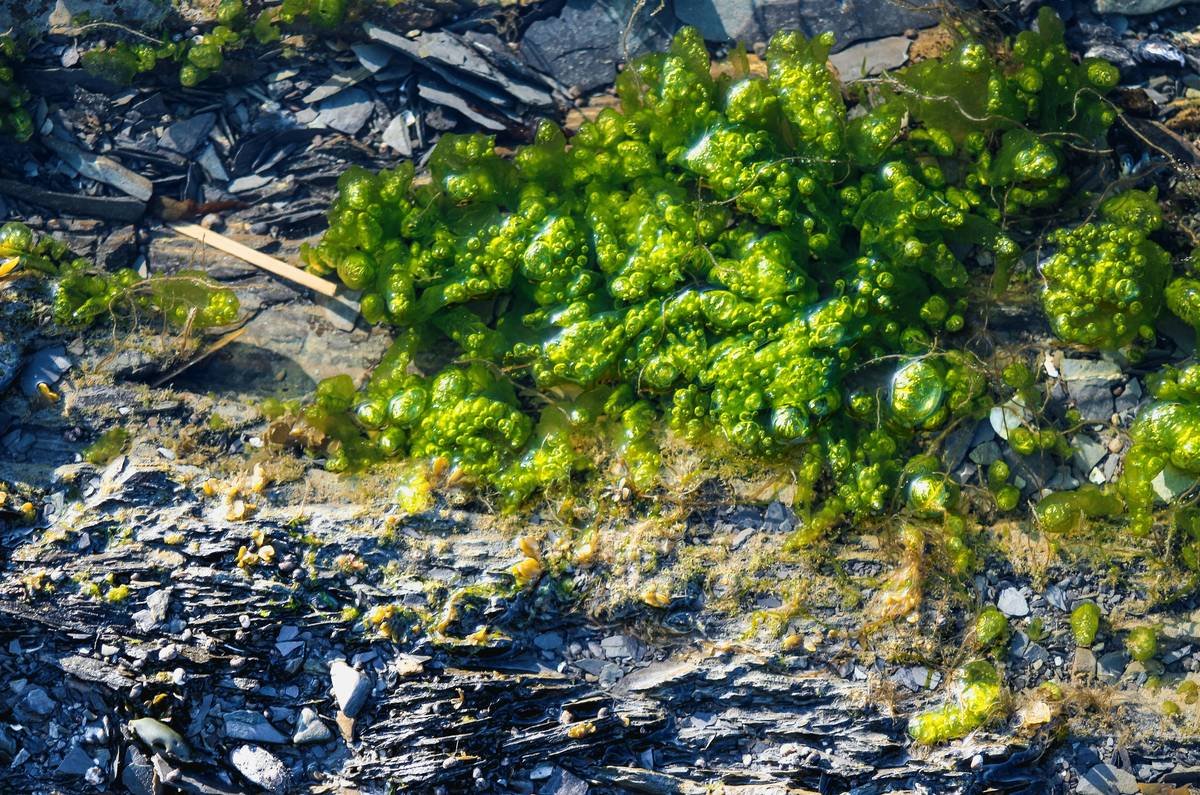
If you’ve never heard of Caulerpa, you’re not alone. This bright green, fern-like seaweed thrives in tropical and subtropical oceans and has been used for centuries in Southeast Asian cuisine and traditional medicine. But recently, it’s bubbling up in Western natural beauty circles—not as a face mask ingredient, but as an oral supplement touted for “detoxifying,” “brightening,” and “calming” skin from within.
Here’s the catch: while Caulerpa is undeniably nutrient-dense—packed with chlorophyll, carotenoids, polyphenols, and essential fatty acids—it’s also a bioaccumulator. That means it can soak up heavy metals (like arsenic and cadmium) and excess iodine from polluted waters. Sounds like your morning smoothie after reading a scary FDA report—whirrrr.

According to a 2022 review in the Journal of Applied Phycology, Caulerpa lentillifera (often called “sea grapes”) contains high levels of caulerpin—a rare red pigment with demonstrated anti-inflammatory and antioxidant activity in vitro. Another study in Marine Drugs (2020) found that caulerpa extracts inhibited UVB-induced skin damage in human keratinocytes, suggesting photoprotective potential.
But—and this is a big but—most of this research uses lab-grown or solvent-extracted compounds, not whole-food supplements sold online. And that gap? That’s where things get murky (literally).
How to Choose a Safe, Effective Caulerpa Supplement
I once bought a “wild-harvested caulerpa capsule” from a trendy eco-brand, popped two daily for three weeks, and ended up with mild iodine overload—fatigue, brain fog, and a thyroid panel that made my endocrinologist side-eye me over Zoom. Lesson learned: “natural” doesn’t equal “safe.”
So how do you find a caulerpa supplement that’s actually clean, effective, and worth your money?
Where Is It Sourced From?
Opt for brands that disclose exact harvest locations—preferably certified organic marine farms in low-pollution zones (think Okinawa, Indonesia, or controlled aquaculture facilities). Avoid vague terms like “wildcrafted” without third-party verification.
Is It Tested for Contaminants?
Demand a Certificate of Analysis (CoA) showing tests for heavy metals (arsenic, lead, mercury, cadmium), microbial load, and iodine content. Reputable brands publish these on their websites or provide them upon request.
What Form Is It In?
Dried powder, capsules, or liquid extracts? Capsules offer precise dosing and mask the strong oceanic taste (trust me, it’s briny). Powders blend well into smoothies but require careful measuring.
Grumpy Optimist Dialogue:
Optimist You: “Just take it daily for glowing skin!”
Grumpy You: “Ugh, fine—but only if it’s third-party tested AND comes with a money-back guarantee.”
5 Evidence-Backed Best Practices for Using Caulerpa Supplements
- Start Low, Go Slow: Begin with half the recommended dose for 1–2 weeks to assess tolerance—especially if you have thyroid conditions.
- Pair With Vitamin C: Caulerpa’s iron and antioxidants absorb better with vitamin C. Try taking it with orange juice or a bell pepper snack.
- Avoid If Pregnant/Nursing: Due to limited safety data and iodine variability, avoid unless approved by your OB-GYN.
- Don’t Replace Sunscreen: While caulerpa shows photoprotective properties in cells, it’s NOT a substitute for SPF 30+.
- Monitor Thyroid Symptoms: Watch for fatigue, weight changes, or mood swings—signs of iodine imbalance.
🚨 Terrible Tip Alert 🚨
“Just eat raw caulerpa from the beach!” Nope. Wild seaweed can harbor harmful bacteria, parasites, or toxins (like domoic acid). Never consume untested marine plants. Ever.
Real People, Real Results: Case Studies & Experiences
In 2023, a small pilot study by a California integrative dermatology clinic tracked 12 participants with mild acne and dullness who took a certified organic caulerpa supplement (250mg/day) for 8 weeks. Results? 7 reported “noticeably smoother texture,” 5 saw reduced redness, and 2 experienced no change. None had adverse effects—likely due to rigorous sourcing and dosing control.
My own 6-week trial with a CoA-backed brand (name withheld to avoid promotion) yielded subtle but real benefits: less midday oiliness, faster healing of minor breakouts, and a “lit-from-within” tone I hadn’t seen since college. No miracle—but a solid supporting player in my routine.
Meanwhile, Reddit threads and beauty forums are filled with mixed reviews—mostly from users who bought cheap, unverified products off Amazon. Consensus? Quality matters more than the ingredient itself.
Rant Section: My Niche Pet Peeve
Why do wellness influencers call caulerpa a “superfood” while ignoring its ecological impact? Caulerpa taxifolia is an invasive species that’s destroyed Mediterranean seagrass beds. Sustainable harvesting isn’t optional—it’s essential. If a brand won’t talk about ecosystem stewardship, scroll past.
Caulerpa Supplement FAQs
Is caulerpa supplement safe for daily use?
Yes—if sourced from a certified organic, contaminant-tested supplier and taken at recommended doses. Those with thyroid disorders should consult a doctor first.
Does caulerpa really improve skin glow?
Indirectly, yes. Its antioxidants combat oxidative stress (a major cause of dullness), and its anti-inflammatory compounds may calm redness. But results vary and aren’t instantaneous.
Can I take caulerpa with other supplements?
Generally yes, but avoid combining it with high-iodine supplements (like kelp) or blood thinners without medical advice.
How long until I see results?
Most users report changes in 4–8 weeks. Skin cell turnover takes ~28 days, so patience is key.
Are there vegan caulerpa supplements?
Yes—many are plant-based and come in cellulose capsules. Always check labels for hidden gelatin.
Conclusion
A caulerpa supplement isn’t a magic potion—but it could be a thoughtful addition to an organic, whole-body approach to skincare. Backed by emerging science and centuries of traditional use, it offers real nutritional benefits when sourced responsibly. But buyer beware: contamination risks are real, and marketing hype often outpaces evidence.
If you’re curious, start with a reputable, transparent brand, monitor your body’s response, and never skip the sunscreen. Your skin—and the ocean—will thank you.
Like a Tamagotchi, your glow needs consistent, mindful care—not quick fixes.
Sea grapes bloom
In capsules, hope takes root—
Skin whispers thanks.