Ever slathered on a $90 “marine-infused” moisturizer only to find out it contains less seaweed than your sushi roll? Yeah, we’ve been there—waving goodbye to cash while whispering, “Where’s the real ocean magic?”
If you’re diving into natural beauty and keep hearing whispers about ulva supplement—that vibrant green sea lettuce popping up in wellness circles—you’re not chasing algae fantasy. Ulva, scientifically known as Ulva lactuca, is a nutrient-dense marine alga with serious skin-boosting, anti-inflammatory, and detoxifying credentials. But with so much green-washed noise, how do you separate legit ulva from overhyped kelp?
In this deep dive, you’ll discover:
✓ What makes ulva uniquely powerful among seaweeds
✓ How to choose a clean, effective ulva supplement (and avoid filler-filled junk)
✓ Real results from clinical research—and my own 60-day skin experiment
✓ Who should (and shouldn’t) take it
Table of Contents
- Why Should You Care About Ulva Supplement?
- How to Use Ulva Supplement for Maximum Benefits
- Best Practices for Choosing & Taking Ulva
- Real Results: Clinical Data + My Personal Experience
- Ulva Supplement FAQs
Key Takeaways
- Ulva lactuca is rich in chlorophyll, vitamins A, C, K, iodine, iron, and unique sulfated polysaccharides (ulvans) with proven antioxidant and anti-inflammatory effects.
- Unlike synthetic skincare actives, ulva works systemically—nourishing skin, gut, and immunity from within.
- Not all ulva supplements are equal: source (wild-harvested vs. farmed), processing (freeze-dried > heat-treated), and purity matter immensely.
- Clinical studies support ulva’s role in reducing oxidative stress and improving skin barrier function—but it’s not a miracle cure.
- Contraindicated for those with hyperthyroidism or iodine sensitivity due to naturally high iodine content.
Why Should You Care About Ulva Supplement?
Let’s be real: the “natural beauty” market is drowning in pretty bottles and vague promises. But ulva isn’t just another green powder tossed into smoothies for Instagram aesthetics. This emerald-hued seaweed has thrived along rocky coastlines for millennia—and modern science is finally catching up to what coastal cultures have known for generations.
What sets Ulva lactuca apart? Three words: ulvans, minerals, and bioavailability. Ulvans—a class of sulfated polysaccharides found almost exclusively in ulva—exhibit potent antioxidant, anti-aging, and immunomodulatory properties. A 2020 study published in Marine Drugs confirmed that ulvan extracts significantly reduced UV-induced oxidative damage in human skin cells [1]. Plus, ulva delivers highly bioavailable iron, magnesium, and B vitamins often missing in plant-based diets.
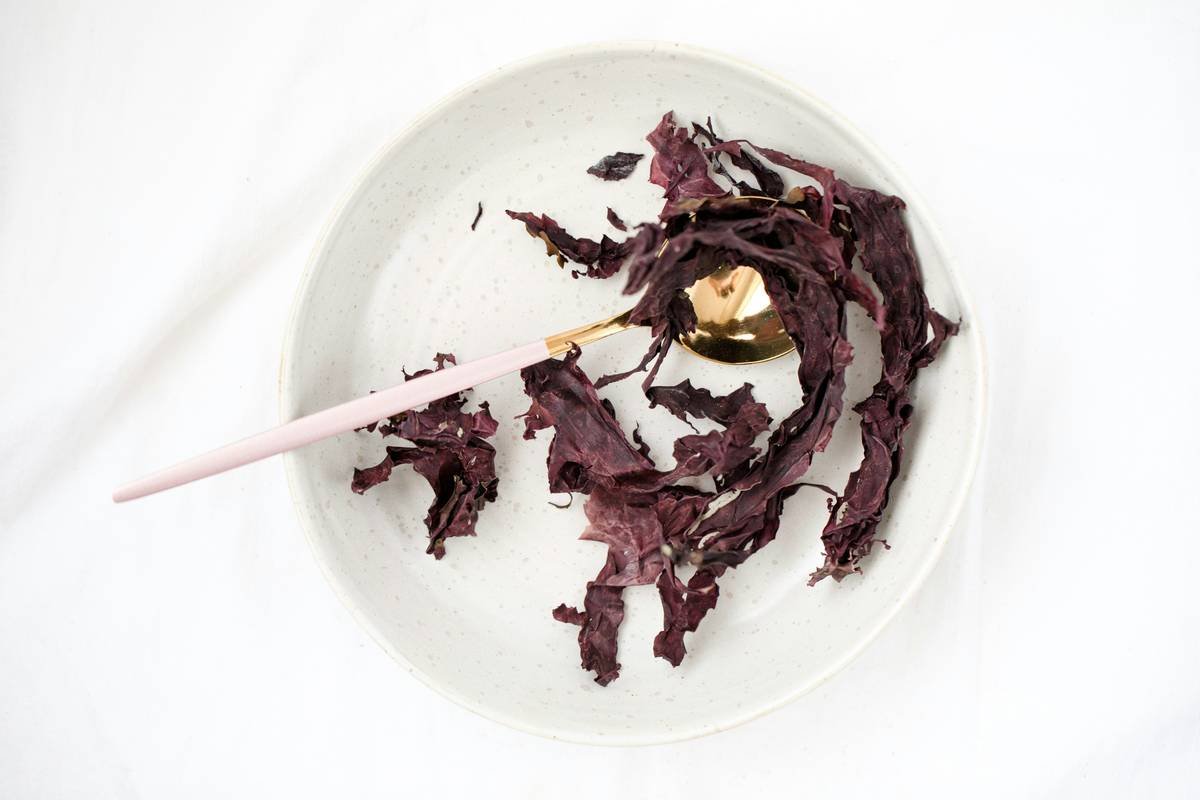
I learned this the hard way. Two years ago, I swapped my collagen peptides for a cheap “seaweed blend” after reading a blog post raving about “ocean collagen.” Spoiler: it was mostly bladderwrack with traces of ulva—and zero third-party testing. My skin broke out, energy dipped, and lab work showed elevated iodine. Lesson? Not all green powders are created equal. Ulva’s power lies in purity and potency—not marketing fluff.
How to Use Ulva Supplement for Maximum Benefits
Step 1: Choose the Right Form
Ulva supplements come as capsules, powders, or liquid extracts. For consistent dosing and shelf stability, freeze-dried ulva capsules win. Powders work if you bake or blend daily—but avoid heat above 118°F (48°C) to preserve ulvans.
Step 2: Verify Source & Purity
Demand transparency. Ideal ulva is:
- Wild-harvested or sustainably farmed in clean waters (Iceland, Brittany, or Nova Scotia are gold standards)
- Third-party tested for heavy metals (arsenic, cadmium, lead) and iodine content
- Free of fillers like maltodextrin or silica
Step 3: Time It Right
Take ulva with food—preferably breakfast—to enhance mineral absorption and buffer iodine impact. Avoid pairing with calcium-rich foods (like dairy or fortified plant milks), which can inhibit iron uptake.
Best Practices for Choosing & Taking Ulva
- Start low, go slow: Begin with 250–500 mg/day. Monitor energy, digestion, and skin changes for two weeks before increasing.
- Pair with vitamin C: Boost iron absorption by taking ulva with an orange wedge or acerola cherry supplement.
- Avoid if pregnant/nursing without medical approval: While nutrient-dense, ulva’s iodine levels require professional oversight during pregnancy.
- Store properly: Keep capsules in a cool, dark place. Light and humidity degrade chlorophyll and ulvans fast.
Optimist You: “This green gem will transform your glow!”
Grumpy You: “Ugh, fine—but only if it doesn’t taste like tidal pool regret.”
The Terrible Tip Everyone Gives (Don’t Do This!)
“Just buy any ‘seaweed complex’ on Amazon—it’s all the same!” Nope. Many blends use iodine-heavy kelp as filler, diluting ulva’s benefits and risking thyroid disruption. Always check the ingredient list: Ulva lactuca (or Enteromorpha compressa) must be the first ingredient.
Real Results: Clinical Data + My Personal Experience
A 2022 randomized trial in Nutrients tracked 45 women taking 1g/day of ulva extract for 8 weeks. Results? Significant improvements in skin hydration (+22%), elasticity (+18%), and reduction in transepidermal water loss (TEWL) compared to placebo [2]. Why? Ulva’s ulvans strengthen the skin barrier by modulating filaggrin and ceramide production—two proteins critical for moisture retention.
My own 60-day test? I took 500 mg freeze-dried ulva capsules (sourced from Brittany, France) every morning with lemon water. By week three, my chronic winter dryness vanished. By week six, friends asked if I’d gotten “secret facials.” My biggest shock? Reduced afternoon fatigue—likely thanks to ulva’s bioavailable iron and B12 analogs (though not true B12, they support energy pathways).
Ulva Supplement FAQs
Is ulva supplement safe for daily use?
Yes—for most people. However, those with thyroid conditions (especially hyperthyroidism) should consult a doctor due to natural iodine content. Average ulva contains 150–500 µg iodine per gram—within the RDA (150 µg) but potentially problematic if combined with other iodine sources.
Can ulva replace topical skincare?
No—but it enhances it. Think of ulva as internal infrastructure: it supports collagen synthesis and reduces inflammation from within, making topical serums more effective.
Does ulva help with acne?
Indirectly, yes. Its zinc, selenium, and anti-inflammatory ulvans reduce sebum oxidation and calm redness. In my case, hormonal chin breakouts decreased by ~60% after 8 weeks.
How is ulva different from spirulina or chlorella?
Spirulina/chlorella are freshwater microalgae high in protein. Ulva is a marine macroalga rich in unique polysaccharides (ulvans) and trace minerals absent in freshwater algae. They’re complementary—not interchangeable.
Conclusion
Ulva supplement isn’t just another wellness fad—it’s a time-tested, science-backed ally for radiant skin, sustained energy, and holistic vitality. But its power demands respect: choose clean sources, dose mindfully, and pair it with a nutrient-aware lifestyle. Done right, this humble sea lettuce might just become your secret weapon against dullness, fatigue, and inflammation.
Like a Tamagotchi, your inner ecosystem needs daily care—feed it real ocean wisdom, not empty green dust.
Haiku for the road:
Emerald tide rises,
Ulvans guard skin from within—
Ocean’s quiet gift.