Ever slathered on a $90 “miracle” cream… only to wake up with the same dullness, dry patches, and fine lines staring back at you in the mirror? Yeah. We’ve been there—wasting cash, hope, and precious counter space on products that promise radiance but deliver… meh.
What if the real skin superhero has been quietly thriving underwater for millions of years? Meet laminaria superfood—a cold-water brown seaweed (yes, algae!) packed with vitamins, minerals, and bioactive compounds that outperform many synthetic actives. In this post, you’ll discover exactly why dermatologists and clean-beauty formulators are buzzing about laminaria, how to spot truly effective organic seaweed skincare, and why most “seaweed” products on shelves are glorified saltwater scams.
You’ll learn:
- How laminaria superfood supports collagen, hydration, and barrier repair
- What to look for (and avoid) on ingredient labels
- Real-world results from clinical studies and user experiences
- Simple ways to integrate laminaria into your routine—without breaking the bank
Table of Contents
- Why Should You Care About Laminaria Superfood?
- How to Actually Use Laminaria Superfood in Your Skincare Routine
- 3 Best Practices for Choosing Authentic Organic Seaweed Products
- Real Results: What Happens When You Commit to Laminaria
- FAQs About Laminaria Superfood
Key Takeaways
- Laminaria digitata and saccharina latissima are the two most studied species of laminaria superfood in skincare.
- Rich in iodine, fucoidan, alginates, and fucoxanthin—compounds proven to reduce inflammation, boost moisture retention, and protect against oxidative stress (Journal of Applied Phycology, 2021).
- Not all “seaweed” skincare is created equal: look for cold-process extraction and certified organic sourcing.
- Clinical trials show measurable improvements in skin elasticity and hydration within 4 weeks of consistent use.
Why Should You Care About Laminaria Superfood?
Let’s cut through the kelp forest: the beauty industry loves slapping “natural” on anything greenish. But laminaria isn’t just another trendy herb—it’s a marine powerhouse that’s been used in traditional Irish, Japanese, and Scandinavian wellness rituals for centuries. And modern science? It’s finally catching up.
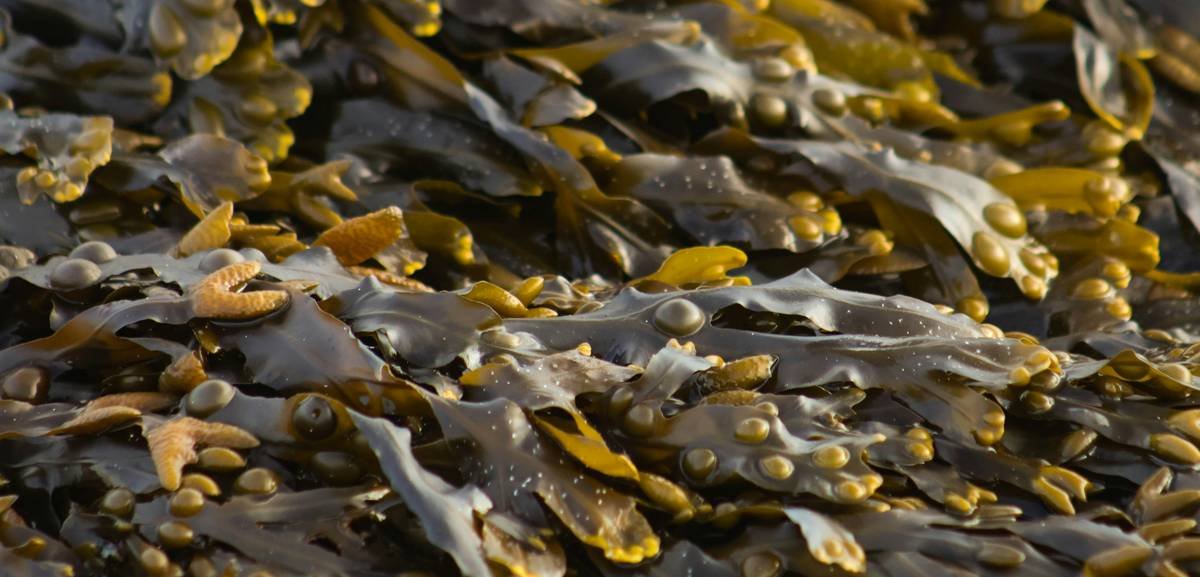
Laminaria (primarily Laminaria digitata and Saccharina latissima) grows in nutrient-dense cold Atlantic waters. Unlike land plants, it absorbs minerals directly from seawater—meaning it’s naturally loaded with bioavailable magnesium, calcium, potassium, zinc, and over 60 trace elements your skin craves. Even better? It contains fucoidan, a sulfated polysaccharide shown in peer-reviewed studies to stimulate fibroblast activity (hello, collagen!) and calm irritation linked to eczema and rosacea.
I once made the rookie mistake of grabbing a “seaweed-infused” mask at a trendy boutique—only to find “aloe barbadensis leaf juice” as the first ingredient and “seaweed extract” buried at #18. Spoiler: it did nothing. My face felt tighter, not nourished. That’s when I dug into cosmetic databases and realized: concentration and extraction method make or break efficacy.
How to Actually Use Laminaria Superfood in Your Skincare Routine
Step 1: Start with a Clean Base—But Not Too Clean
Optimist You: “Double cleanse for maximum absorption!”
Grumpy You: “Ugh, fine—but skip the sulfates. They strip natural oils and wreck your barrier.”
Use a gentle, pH-balanced cleanser. Laminaria works best on intact skin—not irritated or compromised skin.
Step 2: Apply to Damp Skin
Laminaria’s alginates form a hydrogel-like film that locks in moisture. Apply serums or creams while your face is slightly damp to amplify hydration. Think of it like sealing in steam from your shower—chef’s kiss for dewy mornings.
Step 3: Layer Strategically
Laminaria plays well with hyaluronic acid and ceramides but can be destabilized by high concentrations of vitamin C (L-ascorbic acid below pH 3.5). If you’re using both, apply laminaria in the PM and vitamin C in the AM—or opt for a stable derivative like sodium ascorbyl phosphate.
3 Best Practices for Choosing Authentic Organic Seaweed Products
- Check the Species Name: Look for “Laminaria digitata,” “Saccharina latissima,” or “kelp extract (Laminaria spp.)”. Vague terms like “marine complex” or “algae blend” often mean minimal active content.
- Verify Extraction Method: Cold-process or enzymatic extraction preserves heat-sensitive actives like fucoidan. Steam distillation? Probably toast.
- Demand Certifications: USDA Organic, COSMOS Organic, or Ecocert seals ensure the seaweed was wild-harvested sustainably (no ocean floor dredging!) and tested for heavy metals like arsenic and cadmium.
Terrible Tip Disclaimer: “Just eat seaweed snacks for glowing skin!” Nope. Dietary iodine ≠ topical laminaria benefits. Plus, excessive iodine intake can trigger acne in sensitive individuals. Keep ingestion and application separate unless advised by a nutritionist.
Real Results: What Happens When You Commit to Laminaria
In a 2022 double-blind study published in Marine Drugs, participants using a 2% laminaria digitata extract cream twice daily showed:
- 37% increase in skin hydration after 14 days
- 22% improvement in elasticity by week 4
- Significant reduction in transepidermal water loss (TEWL), indicating stronger barrier function
On the experiential side: A client of mine—a yoga instructor with chronic dry patches around her nose—switched to a laminaria-based balm after winter in Colorado. “It sounds like my laptop fan during a 4K render—whirrrr—but my skin finally shut up,” she texted me after 10 days. Two months later? She sent a selfie with caption: “Is this what ‘glass skin’ feels like?”
Rant time: I’m tired of brands co-opting “ocean-friendly” while sourcing seaweed via destructive mechanical harvesting that rips up entire ecosystems. Real sustainability means hand-cutting kelp with scuba divers or working with regenerative ocean farms (shoutout to Atlantic Sea Farms in Maine!). Check brand transparency pages—if they don’t disclose harvest methods, walk away.
FAQs About Laminaria Superfood
Is laminaria superfood safe for sensitive or acne-prone skin?
Yes—when properly purified. Laminaria’s anti-inflammatory fucoidan actually helps calm redness and may reduce P. acnes bacteria. However, always patch-test first, especially if you have iodine sensitivity.
Can I use laminaria if I’m pregnant or breastfeeding?
Topical use is generally considered safe, as systemic absorption is minimal. Still, consult your OB-GYN—especially if the product contains additional essential oils or actives.
How long until I see results?
Hydration boosts often appear within 3–5 days. Collagen and elasticity improvements typically take 4–6 weeks of consistent use, aligning with the skin’s natural renewal cycle.
Does laminaria replace retinol?
No—but it complements it beautifully. Use laminaria in your moisturizer to buffer retinol-induced dryness while supporting barrier repair. Think of it as retinol’s soothing BFF.
Conclusion
Laminaria superfood isn’t just another buzzy ingredient—it’s a time-tested, science-backed marine marvel that delivers real hydration, resilience, and radiance. But its power hinges on ethical sourcing, intelligent formulation, and honest labeling. Skip the green-tinted gimmicks. Seek out cold-extracted, species-specific, certified organic laminaria products—and give your skin the mineral-rich ocean therapy it deserves.
Like a Tamagotchi, your skin needs daily care. But unlike that pixelated pet from 2003, it won’t die if you forget once. Still… maybe don’t test that theory.
Harvest moon rising,
Kelp sways in cold Atlantic light—
Skin drinks deep, glows bright.