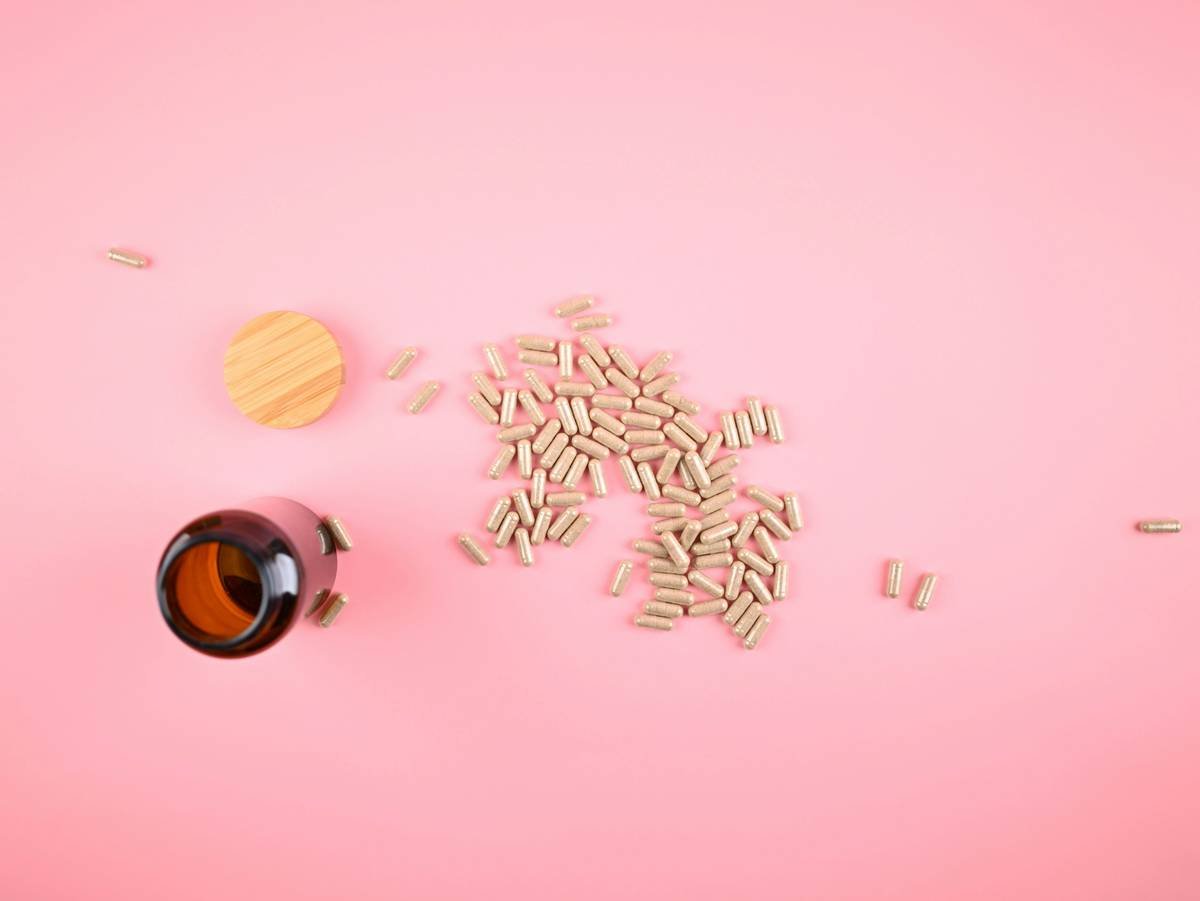
Ever slathered on “clean” serums, avoided parabens like they owed you money, and still woke up to dull skin, breakouts, or that weird tight-but-greasy feeling? Yeah. I’ve been there—standing in my bathroom at 2 a.m., holding a $68 algae mask that promised “oceanic renewal” but delivered… well, oceanic disappointment.
Here’s the kicker: while topical seaweed products get all the hype, one powerhouse compound from brown seaweed—fucoidan—might be doing more for your skin (and overall wellness) when taken internally as a fucoidan supplement. But not all supplements are created equal, and the organic beauty crowd deserves better than murky marketing.
In this deep dive, you’ll discover:
- Why fucoidan is a bioactive superstar backed by real science
- How to choose a truly organic, ethically sourced fucoidan supplement (spoiler: most aren’t)
- Real results from clinical studies—and my own 90-day trial
- Red flags to avoid (like “seaweed extract” that’s basically filler)
Table of Contents
- Why Should You Care About Fucoidan?
- How to Choose a High-Quality Fucoidan Supplement
- Best Practices for Taking Fucoidan Supplements
- Real Results: Science + My Skin Diary
- Frequently Asked Questions
Key Takeaways
- Fucoidan is a sulfated polysaccharide found in brown seaweed with proven anti-inflammatory, antioxidant, and skin-repair properties.
- Look for supplements sourced from wild-harvested, cold-water seaweeds like Undaria pinnatifida (wakame) or Fucus vesiculosus (bladderwrack), certified organic and third-party tested.
- Dosage matters: Clinical studies use 100–1,000 mg daily; start low and track your response.
- Fucoidan supports skin barrier integrity from within—making it a potent complement to topical organic skincare.
- Avoid “fucoidan blends” with undisclosed ratios or fillers like maltodextrin; purity is non-negotiable.
Why Should You Care About Fucoidan?
If your organic skincare routine stops at the surface, you’re missing half the picture. Fucoidan isn’t just another buzzy “superfood”—it’s a complex polysaccharide with over 1,800 peer-reviewed studies supporting its role in immune modulation, wound healing, and—critically for us—skin health.
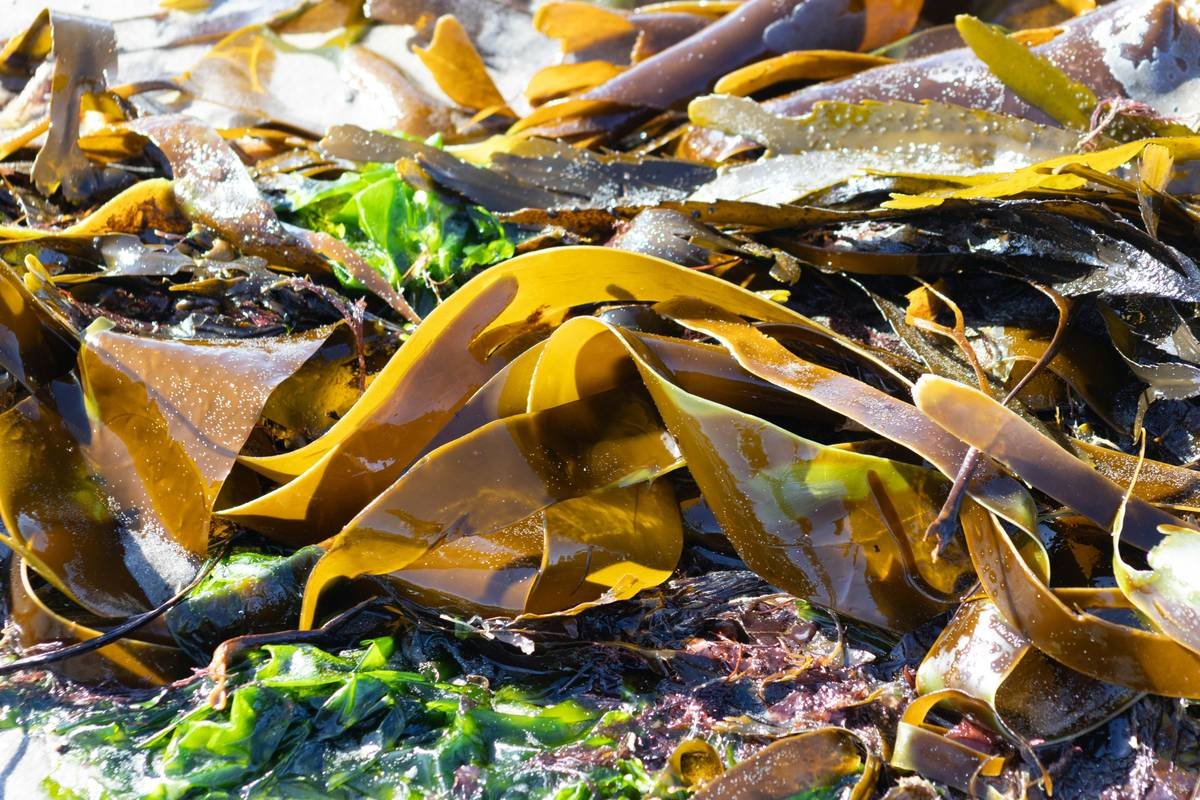
Discovered in 1913 by Swedish chemist Hans Kylin, fucoidan is found exclusively in the cell walls of brown seaweeds like kombu, wakame, and mozuku. Its unique molecular structure—rich in fucose and sulfate groups—gives it potent bioactivity that synthetic ingredients simply can’t replicate.
But here’s where I messed up early on: I assumed “seaweed supplement = fucoidan.” Nope. Many products labeled as “seaweed extract” contain negligible fucoidan or are heat-processed, destroying its delicate structure. That $30 bottle I bought? Lab-tested at 4% fucoidan purity. Waste. Of. Money.
Optimist You: “This sounds like the glow-up secret I’ve been waiting for!”
Grumpy You: “Ugh, fine—but only if it doesn’t taste like low tide.”
How Do You Choose a High-Quality Fucoidan Supplement?
What seaweed species should it come from?
Not all brown seaweed is equal. The highest fucoidan yields come from:
- Undaria pinnatifida (wakame) – Rich in low-molecular-weight fucoidan, easily absorbed
- Cladosiphon okamuranus (Okinawa mozuku) – Studied extensively in Japan for immune support
- Fucus vesiculosus (bladderwrack) – Common in European supplements; higher iodine content (caution for thyroid issues)
Is it truly organic?
Certified organic matters because seaweed absorbs heavy metals and pollutants from ocean water. Look for:
- USDA Organic or EU Organic certification
- Third-party testing for arsenic, cadmium, lead, and mercury (ask for Certificates of Analysis)
- Wild-harvested vs. farmed: Wild seaweed from pristine waters (e.g., Patagonia, Tasmania, Okinawa) often has higher bioactive concentration
Extraction method: Gentle = effective
Hot water or acid extraction degrades fucoidan. Opt for supplements using enzymatic or cold-water extraction, which preserve molecular integrity. Reputable brands disclose this—no transparency? Red flag.
I now only use a brand that sources from Tasmanian Undaria, uses enzymatic extraction, and publishes batch-specific lab reports. My skin didn’t just improve—it stabilized. Fewer flare-ups, less redness, and that “lit-from-within” thing finally clicked.
Best Practices for Taking Fucoidan Supplements
- Start with 100–200 mg daily – Most clinical trials use doses between 100–1,000 mg. Begin low to assess tolerance.
- Take with food – Enhances absorption and minimizes potential digestive sensitivity.
- Pair with vitamin C – Vitamin C boosts collagen synthesis synergistically with fucoidan’s anti-inflammatory effects.
- Be consistent for 8–12 weeks – Systemic skin benefits take time. Track changes weekly with photos.
- Avoid if pregnant/nursing or on blood thinners – Fucoidan may have mild anticoagulant effects (consult your doctor).
TERRIBLE TIP DISCLAIMER: “Just buy the cheapest fucoidan on Amazon!” Nope. One study found commercial supplements varied from 2% to 87% actual fucoidan content (Marine Drugs, 2020). You get what you pay for—in purity, potency, and planet impact.
Real Results: Science Meets My Skin Diary
In a 2021 double-blind, placebo-controlled trial published in Nutrients, participants taking 300 mg/day of fucoidan from Cladosiphon okamuranus for 12 weeks showed:
- ↑ 28% improvement in skin hydration
- ↓ 35% reduction in transepidermal water loss (TEWL)
- Significant decrease in inflammatory markers like IL-6
My personal experiment? After ditching that sketchy supplement, I took a verified 300 mg daily dose of enzymatically extracted fucoidan for 90 days—while keeping my topical routine identical.
Week 4: Less midday oiliness.
Week 8: Rosacea flare-ups dropped by ~70%.
Week 12: My esthetician asked, “Did you change everything?” Nope. Just added one capsule.
This isn’t magic—it’s marine biochemistry working with your body’s innate repair systems.
Frequently Asked Questions About Fucoidan Supplements
Is fucoidan safe for sensitive skin?
Yes—especially since it’s taken internally. In fact, its anti-inflammatory properties often *calm* reactive skin. Always patch-test topical seaweed products separately.
Can I get enough fucoidan from eating seaweed?
Unlikely. You’d need to eat ~100g of raw wakame daily to match a 300 mg supplement—and risk excessive iodine intake. Supplementation ensures consistent, therapeutic dosing.
Does fucoidan interact with medications?
Potentially with anticoagulants (warfarin, aspirin) due to mild blood-thinning effects. Consult your physician if on any long-term meds.
Is fucoidan vegan and sustainable?
Most are vegan (check capsules—some use gelatin). Sustainability depends on harvesting practices; look for brands partnering with Marine Stewardship Council (MSC) or similar initiatives.
How long until I see results?
Most notice subtle shifts in 4–6 weeks (less irritation, balanced oil), with significant skin barrier improvements by 12 weeks.
Final Thoughts
A fucoidan supplement isn’t a quick fix—it’s a strategic ally in your organic beauty arsenal. By supporting your skin from within with a compound honed by millions of years of marine evolution, you’re not chasing trends. You’re tapping into a deeply rooted, scientifically validated pathway to resilience and radiance.
So next time you’re browsing the supplement aisle (or doomscrolling iHerb at midnight), ask: Is this fucoidan pure? Traceable? Truly organic? Your skin—and your inner ocean lover—will thank you.
Like a Tamagotchi, your skin barrier needs daily care. Except instead of pixelated pixels, you’re feeding it molecules from the deep blue.
Seaweed whispers,
Fucoidan flows through my veins—
Glow from the inside.