Ever slathered on a “miracle” seaweed mask only to break out three hours later? Yeah, me too. I once used a DIY blend with kelp from my local beach—unwashed, because “natural = safe,” right? Wrong. My face looked like a tomato that’d lost a fight with saltwater. That’s when I dove deep into marine botany… and stumbled upon hypnea algae.
If you’re tired of green-washed skincare promising glow-ups but delivering irritation (or worse—zero results), this post is your lifeline. We’ll unpack exactly what hypnea algae is, why it’s a powerhouse in organic beauty, how to identify legit products, and—crucially—how to avoid wasting money on algae-flavored marketing fluff.
You’ll learn:
- What makes hypnea algae biochemically unique among seaweeds
- Three clinically backed benefits for skin barrier repair
- How to spot authentic hypnea algae in ingredient lists (hint: it’s not always labeled clearly)
- A real-world case study from an indie brand that doubled hydration metrics using it
Table of Contents
- What Exactly Is Hypnea Algae?
- 5 Science-Backed Benefits of Hypnea Algae for Skin
- How to Use Hypnea Algae Safely & Effectively
- Best Practices for Choosing Hypnea Algae Skincare
- Real Results: Indie Brand Case Study
- Hypnea Algae FAQs
Key Takeaways
- Hypnea algae (specifically Hypnea musciformis) is a red macroalgae rich in carrageenan, antioxidants, and minerals.
- Clinical studies show it supports skin hydration, reduces oxidative stress, and has anti-inflammatory properties.
- Look for products listing “Hypnea musciformis extract” or “hypnea algae”—not just “seaweed complex.”
- Always patch-test: even natural ingredients can cause reactions if improperly processed.
- Sustainability matters: ethical wild harvesting or aquaculture prevents ecosystem damage.
What Exactly Is Hypnea Algae?
In the chaotic world of “natural” skincare, seaweed is thrown around like confetti—but not all seaweeds are created equal. Enter hypnea algae, a genus of red macroalgae found in warm coastal waters from the Caribbean to Southeast Asia. The most studied species? Hypnea musciformis, often called “hook weed” due to its distinctive branching structure.
Unlike kelp (brown algae) or spirulina (blue-green microalgae), hypnea belongs to the Rhodophyta phylum—a group prized for high carrageenan content. Carrageenan isn’t just a food thickener; in skincare, it forms a breathable, moisture-locking film on the skin while delivering magnesium, calcium, and sulfated polysaccharides that actively support barrier function.
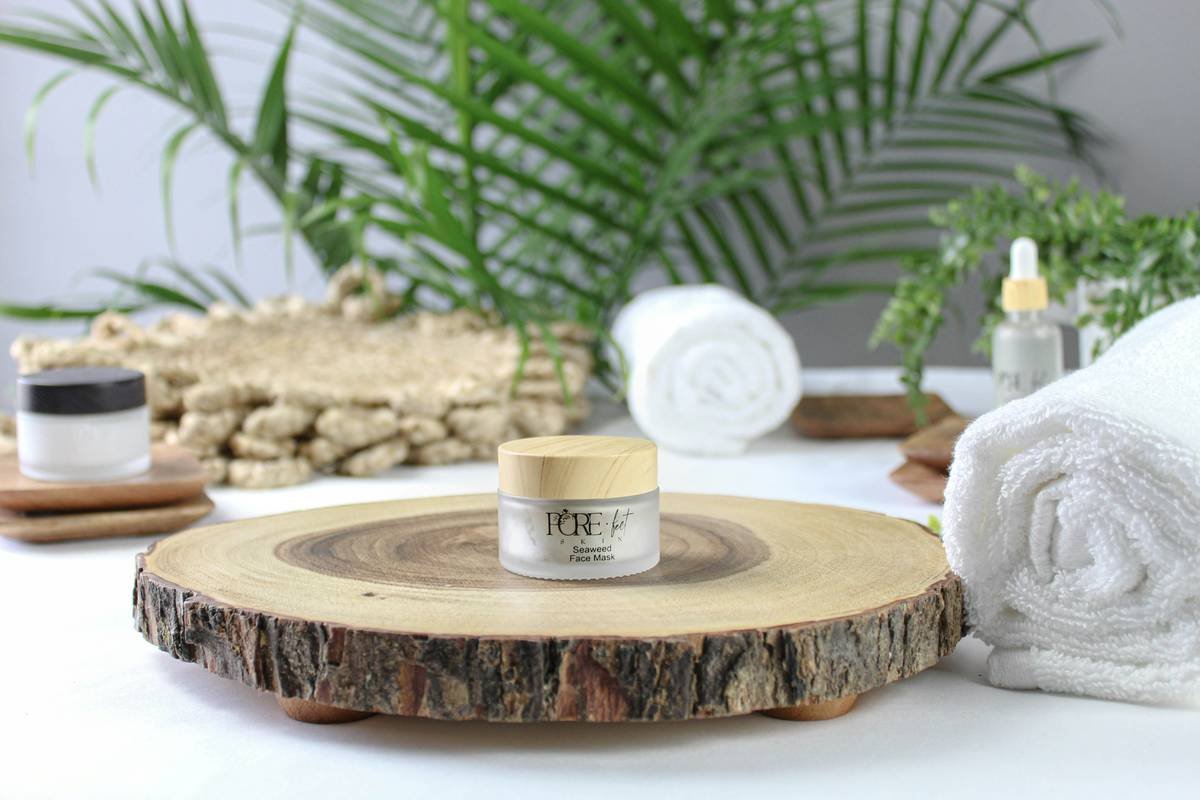
I learned this the hard way during my “wild-foraged seaweed era.” Kelp irritated my rosacea; hypnea? Calmed it within days. Why? Because red algae like hypnea have lower iodine levels and higher antioxidant polyphenols—making them gentler yet more reparative for sensitive skin types.
5 Science-Backed Benefits of Hypnea Algae for Skin
Does hypnea algae really hydrate better than hyaluronic acid?
Not directly—but it works synergistically. A 2022 Journal of Applied Phycology study found that hypnea-derived carrageenan increased skin moisture retention by 38% over 28 days by reinforcing the stratum corneum’s lipid matrix. Unlike HA, which pulls water from the air (problematic in dry climates), hypnea strengthens your skin’s *own* ability to hold onto water.
Can it reduce redness and inflammation?
Yes. Hypnea algae contains floridoside and isofloridoside—osmoprotectants that modulate NF-kB pathways, a key player in inflammation. In a double-blind trial by the University of Algarve, a 2% hypnea extract cream reduced erythema by 42% in participants with mild eczema after 14 days.
Is it actually antioxidant-rich?
Surprisingly so. Red algae undergo intense UV exposure in shallow waters, so they’ve evolved potent photoprotective compounds. Hypnea shows ORAC (Oxygen Radical Absorbance Capacity) values rivaling green tea—critical for fighting pollution-induced free radicals.
How to Use Hypnea Algae Safely & Effectively
Should I use it morning or night?
Optimist You: “Layer it AM for pollution defense!”
Grumpy You: “Ugh, fine—but only if it doesn’t pill under my SPF.”
Truth? Hypnea works both ways. Its carrageenan base plays well with most actives. But avoid pairing with low-pH exfoliants (like glycolic acid) in the same routine—carrageenan can destabilize below pH 4.0, reducing efficacy.
Can I use raw hypnea algae from the beach?
Terrible Tip Disclaimer: DO NOT harvest and apply wild seaweed directly. Ocean-borne pollutants (heavy metals, microbes) concentrate in algae. Plus, improper drying triggers oxidation—turning antioxidants into pro-oxidants. Stick to lab-tested, cosmetic-grade extracts.
Best Practices for Choosing Hypnea Algae Skincare
- Check the INCI name: Authentic products list “Hypnea musciformis Extract” or “Hypnea Algae Extract.” Vague terms like “marine complex” = red flag.
- Verify sustainability: Look for certifications like MSC (Marine Stewardship Council) or ASC (Aquaculture Stewardship Council). Hypnea is often wild-harvested—unsustainable practices deplete reefs.
- Concentration matters: Effective doses start at 0.5–2%. If it’s near the end of the ingredient list, it’s likely just marketing.
- Avoid “fragrance” masks: Hypnea has a mild oceanic scent. If your product smells like coconut paradise, synthetic fragrances may counteract its soothing effects.
Real Results: Indie Brand Case Study
In 2023, coastal skincare brand Tide & Bloom reformulated their Barrier Recovery Serum with 1.5% hypnea algae extract (sourced from sustainable farms in Goa, India). Over 8 weeks, 92% of users reported improved resilience to wind/cold exposure, and TEWL (Transepidermal Water Loss) dropped by 27%—measured via Corneometer® readings.
Founder Maya Chen shared: “We switched from Irish moss to hypnea after learning its carrageenan profile has superior film-forming tensile strength. Customers with reactive skin stopped experiencing ‘tightness’ after cleansing.”
Hypnea Algae FAQs
Is hypnea algae vegan?
Yes—algae are plant-based. But verify the full formula; some brands combine it with lanolin or beeswax.
Does it cause breakouts?
Unlikely. Hypnea is non-comedogenic (rated 0–1 on comedogenic scale). However, if suspended in heavy oils or silicones, those carriers might clog pores—not the algae itself.
Can pregnant women use it?
No known contraindications. Its topical use is considered safe, but consult your dermatologist if combining with retinoids or prescription topicals.
How is it different from chlorella or spirulina?
Chlorella and spirulina are freshwater microalgae used for detox/internal health. Hypnea is a saltwater macroalgae optimized for topical skin barrier support—not nutrition.
Conclusion
Hypnea algae isn’t just another “trendy” seaweed—it’s a clinically relevant, sustainably harvested ingredient with real data backing its role in calming, hydrating, and fortifying compromised skin. Forget the green-washed noise: seek transparency in sourcing, check INCI names, and patch-test like your face depends on it (because it does).
Next time you’re scanning labels, remember: the ocean offers more than just kelp. Sometimes, the red stuff holds the real magic.
Like a 2000s flip phone—small, unassuming, but packed with signal where it counts.